Are you looking forFlexible Job Opportunities for People with Disabilities? In today’s fast-paced world, remote jobs have become a crucial part of achieving work-life balance. But for individuals with disabilities, finding these opportunities can sometimes feel like a challenge. How can people with disabilities access flexible and accommodating work opportunities that are well-suited to their specific needs? Is it possible to find jobs that offer both flexibility and support for those facing physical or health challenges?
The rise ofremote work for people with disabilitieshas opened up new horizons, allowing individuals to work from the comfort of their homes while balancing personal needs. However, with many online platforms offering remote job listings, how can one navigate this space effectively and find suitable positions? Moreover, what kind of employment support for people with disabilities is available to make sure they thrive in these roles?
In this article, we will explore Flexible Job Opportunities for People with Disabilities, focusing on key platforms, strategies for job searching, and valuable tips on how to succeed in the remote workforce. We will cover essential resources and highlight the importance of accessible workspaces, ensuring people with disabilities have equal access to quality jobs and meaningful career advancement.
Flexible Job Opportunities for People with Disabilities
In recent years, the job market has evolved significantly, providing more flexible job opportunities for people with disabilities. These opportunities allow individuals to pursue a career path without the limitations of a traditional office environment. Whether you’re looking for a part-time role or a full-time remote position, the world of flexible work is abundant with possibilities. These roles are especially beneficial for individuals who require a more adaptive work environment, such as those with physical disabilities or chronic health conditions.
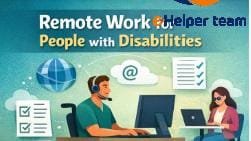
Remote Work for People with Disabilities has gained significant traction, as it allows for greater autonomy and comfort. Traditional office settings often fail to accommodate the needs of individuals with disabilities, but with remote work, people can design their workspace to suit their requirements. For instance, individuals with mobility challenges can work from home, eliminating the need for commuting and offering a more accessible environment. This is particularly important for maintaining a healthy work-life balance while ensuring that job seekers with disabilities can access fulfilling employment opportunities.
When exploring Flexible Job Opportunities for People with Disabilities, it’s important to consider companies that prioritize diversity and inclusion in their hiring processes. Many businesses today actively seek individuals who may have faced barriers in traditional office environments, providing them with the flexibility and support needed to succeed in a remote work role. This section will dive deeper into the top job platforms and companies offering remote roles that are particularly accommodating to individuals with disabilities.
The Growing Importance of Employment Support for People with Disabilities
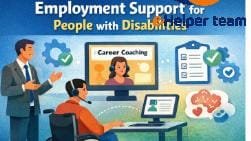
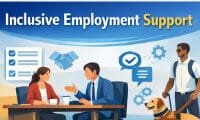
As more companies embrace remote work for people with disabilities, the need for employment support for people with disabilities has also grown. This support comes in various forms, from resources to help individuals access job opportunities to programs designed to assist with workplace adjustments and ongoing career development. People with disabilities need to know where they can turn for help in navigating the remote job market.
Identifying Disability-Friendly Job Platforms One of the first steps in finding accessible remote roles is identifying platforms and organizations that specialize in disability-inclusive job opportunities. These platforms often offer resources such as job search tools, coaching, and mentorship to guide candidates through the application process. They also provide advice on interview preparation and assist with any adjustments that may be needed in a potential role. Additionally, many of these platforms have partnerships with companies committed to making their workplaces more inclusive for individuals with disabilities.
Ongoing Support Moreover, employment support for people with disabilities doesn’t stop at job placement. Many individuals require ongoing assistance to ensure they have the resources they need to thrive in their remote roles. This could include support with technology, work accommodations, or even mental health resources to help maintain a positive work environment. Companies must provide consistent and adequate support, so people with disabilities can continue to grow in their careers without facing unnecessary obstacles.
Navigating the World of Remote Work for People with Disabilities
When it comes to finding remote work for people with disabilities, navigating the multitude of job platforms can be overwhelming. Job seekers with disabilities need to use platforms that are not only accessible but also actively cater to the needs of those looking for flexible, remote roles. Fortunately, there are several platforms that have become known for providing opportunities specifically designed to accommodate individuals with disabilities.
Top Job Platforms for People with Disabilities For instance, platforms like FlexJobs and We Work Remotely are popular among job seekers looking for flexible job opportunities for people with disabilities. These platforms allow individuals to filter job searches according to specific needs, such as flexibility, remote work options, and companies that support diversity and inclusion. By using these resources, individuals with disabilities can find roles that meet both their career aspirations and personal needs.
The Role of Digital Skills While flexible job opportunities for people with disabilities are becoming more widely available, it’s also essential to understand the skills required to succeed in a remote job. Building a strong digital skill set is a crucial factor in securing a remote role. Skills such as time management, communication tools, and familiarity with virtual work environments will make you more competitive in the remote job market. Individuals should focus on refining these skills, ensuring they are equipped to thrive in their chosen roles.
How to Find Accessible Remote Roles: A Step-by-Step Guide
If you’re an individual with a disability seeking accessible remote roles, the process can seem daunting. However, by following a clear, step-by-step approach, you can effectively navigate the job market and find a role that suits your needs and career goals. Here is a comprehensive guide to help you get started:
Identify Your Needs and Preferences Before diving into the job search, it’s crucial to identify what accommodations or support you might require in a remote job. This could include flexible hours, adaptive technology, or assistance with specific tasks.
Search on Disability-Friendly Job Platforms Utilize platforms like FlexJobs, We Work Remotely, and SimplyHired to filter out jobs that align with your preferences and needs. These platforms offer a range of remote roles, from full-time positions to freelance opportunities.
Tailor Your Resume and Cover Letter Ensure your application materials are tailored to remote job positions. Highlight your ability to work independently, manage your time efficiently, and communicate effectively through virtual tools.
Network Within the Disability-Inclusive Community Join online groups, forums, and social media communities that focus on remote work for individuals with disabilities. Networking with others in the same field can provide valuable insights and potentially lead to job referrals.
Prepare for Interviews with Confidence When preparing for interviews, be ready to discuss your needs in terms of accommodations and how you’ve thrived in remote environments. Be honest and clear about what you need to succeed.
Leverage Employment Support Programs Take advantage of mentorship, career coaching, and workplace adjustment programs that are often offered through disability-inclusive job platforms. These resources can guide you throughout the hiring process and help you secure a role that is both fulfilling and accessible.
The Future of Remote Work for People with Disabilities
As technology continues to evolve, the future of remote work for people with disabilities looks promising. Companies are increasingly recognizing the value of having a diverse workforce, including individuals with disabilities, and are making efforts to ensure that remote jobs are more accessible than ever before. The rise of flexible job opportunities is expected to continue, and with it, the development of more inclusive work environments.
Assistive Technology Advancements With ongoing advancements in technology, such as assistive software and accessibility tools, remote work is becoming more accessible for people with various disabilities. As more companies embrace remote work as a long-term strategy, it’s likely that the number of available remote positions for people with disabilities will grow, creating even more opportunities for career advancement and financial independence.
In conclusion, Flexible Job Opportunities for People with Disabilities offer individuals the chance to pursue meaningful careers while maintaining flexibility and autonomy. With the right tools, resources, and support, anyone can access these opportunities and build a rewarding career in the remote workforce.
FAQ Section
What types of remote jobs are available for people with disabilities?
There are numerous remote job opportunities, including customer service, data entry, writing, tech development, and administrative support roles that can be adapted for people with disabilities.
How do I know if a remote company is disability-friendly?
Look for companies that highlight diversity and inclusion in their hiring practices. You can also check online reviews and reach out to employees through networking platforms to gain insights into their experiences.
Are there any training programs available for people with disabilities seeking remote work?
Yes, there are several online training programs designed to help individuals with disabilities build skills needed for remote work, such as digital literacy and virtual communication.
What are some good platforms to search for remote jobs for people with disabilities?
Platforms like FlexJobs, We Work Remotely, and SimplyHired offer specialized resources for individuals seeking remote work opportunities that accommodate disabilities.
How can I ensure I am making a positive impact in my remote job?
Focus on building strong communication skills, time management, and adaptability. Engaging with coworkers and employers proactively is key to success in a remote job setting.
How to Find Accessible Remote Roles: A Step-by-Step Guide
If you’re an individual with a disability seeking accessible remote roles, the process can seem daunting. However, by following a clear, step-by-step approach, you can effectively navigate the job market and find a role that suits your needs and career goals. Here is a comprehensive guide to help you get started:
Identify Your Needs and Preferences Before diving into the job search, it’s crucial to identify what accommodations or support you might require in a remote job. This could include flexible hours, adaptive technology, or assistance with specific tasks. Understanding your requirements from the outset will allow you to narrow down job opportunities that align with your lifestyle and professional goals.
Search on Disability-Friendly Job Platforms Utilize platforms like FlexJobs, We Work Remotely, and SimplyHired to filter out jobs that align with your preferences and needs. These platforms offer a range of remote roles, from full-time positions to freelance opportunities. Additionally, they often feature companies with a strong commitment to diversity and inclusion, ensuring that people with disabilities are prioritized.
FlexJobs specializes in providing curated job listings, including many remote and flexible job options. They also offer personalized job searches based on your preferences, which is useful for finding positions that accommodate disability-related needs.
We Work Remotely focuses exclusively on remote roles across various industries, making it an excellent resource for finding jobs that can be done from home, without the constraints of a physical office environment.
SimplyHired aggregates job listings from multiple sources, allowing you to search for remote roles that are specifically tailored to individuals with disabilities.
Tailor Your Resume and Cover Letter Ensure your application materials are tailored to remote job positions. Highlight your ability to work independently, manage your time efficiently, and communicate effectively through virtual tools. When crafting your resume, consider emphasizing the following:
Remote work experience, if any.
Key skills for remote positions, such as proficiency with virtual collaboration tools (Zoom, Slack, etc.).
Your ability to manage time, work autonomously, and meet deadlines in a virtual environment.
In your cover letter, you can also mention any specific accommodations you might require for the position. Being upfront and honest about your needs can help potential employers understand how they can support you.
Network Within the Disability-Inclusive Community Join online groups, forums, and social media communities that focus on remote work for individuals with disabilities. Networking with others in the same field can provide valuable insights and potentially lead to job referrals. Many disability-inclusive communities have support systems that can help job seekers navigate the job search process and find remote opportunities.
Platforms such as LinkedIn allow you to connect with professionals who can offer advice, job leads, and even mentorship. Look for groups and hashtags related to disability inclusion and remote work.
Participating in forums such as Reddit’s r/disability or disability-specific job boards can provide a sense of community and resources for remote job seekers.
Prepare for Interviews with Confidence When preparing for interviews, be ready to discuss your needs in terms of accommodations and how you’ve thrived in remote environments. Be honest and clear about what you need to succeed. Many employers who offer remote positions are accustomed to providing accommodations, such as adaptive technology or flexible schedules.
During interviews, you can also demonstrate your proficiency in using remote work tools, such as project management software, video conferencing tools, and collaborative document-sharing platforms. This shows that you are prepared for the virtual workspace.
Leverage Employment Support Programs Take advantage of mentorship, career coaching, and workplace adjustment programs that are often offered through disability-inclusive job platforms. These resources can guide you throughout the hiring process and help you secure a role that is both fulfilling and accessible. Some organizations also provide one-on-one coaching to assist job seekers with disabilities in preparing for job interviews and managing workplace challenges.
Programs like Job Accommodation Network (JAN) offer free, confidential consultation services to assist with workplace accommodations and disability-related employment issues.
The Future of Remote Work for People with Disabilities
As technology continues to evolve, the future of remote work for people with disabilities looks promising. Companies are increasingly recognizing the value of having a diverse workforce, including individuals with disabilities, and are making efforts to ensure that remote jobs are more accessible than ever before. The rise of flexible job opportunities is expected to continue, and with it, the development of more inclusive work environments.
Assistive Technology Advancements With ongoing advancements in technology, such as assistive software and accessibility tools, remote work is becoming more accessible for people with various disabilities. For example, screen readers, voice recognition software, and other adaptive technologies can significantly improve the work experience for individuals with visual or physical impairments. These innovations allow people with disabilities to perform tasks more efficiently and effectively in a remote setting.
As more companies embrace remote work as a long-term strategy, it’s likely that the number of available remote positions for people with disabilities will grow, creating even more opportunities for career advancement and financial independence. Furthermore, companies are investing in tools and technologies that help employees navigate the remote work environment with ease, ensuring that people with disabilities are not left behind.
Improved Workplace Flexibility Remote work inherently offers flexible job opportunities for people with disabilities, and as businesses recognize the importance of such flexibility, they are more likely to incorporate it into their policies. For individuals who require frequent medical appointments or need flexible work hours, remote roles offer the perfect solution. The growing acceptance of flexible work schedules ensures that people with disabilities can manage both their professional responsibilities and personal needs.
A Shift in Company Culture The rise of remote work has also led to a shift in company culture, with an increasing focus on diversity and inclusion. More companies are establishing programs and policies specifically aimed at supporting employees with disabilities. These initiatives include flexible work hours, adaptive equipment, and policies designed to foster a more inclusive remote work environment.
In conclusion, Flexible Job Opportunities for People with Disabilities offer individuals the chance to pursue meaningful careers while maintaining flexibility and autonomy. With the right tools, resources, and support, anyone can access these opportunities and build a rewarding career in the remote workforce. The future of remote work for people with disabilities holds exciting possibilities, and as technology continues to improve, the work environment will only become more inclusive and accessible.
FAQ Section
What types of remote jobs are available for people with disabilities?
There are numerous remote job opportunities, including customer service, data entry, writing, tech development, and administrative support roles that can be adapted for people with disabilities.
How do I know if a remote company is disability-friendly?
Look for companies that highlight diversity and inclusion in their hiring practices. You can also check online reviews and reach out to employees through networking platforms to gain insights into their experiences.
Are there any training programs available for people with disabilities seeking remote work?
Yes, there are several online training programs designed to help individuals with disabilities build skills needed for remote work, such as digital literacy and virtual communication.
What are some good platforms to search for remote jobs for people with disabilities?
Platforms like FlexJobs, We Work Remotely, and SimplyHired offer specialized resources for individuals seeking remote work opportunities that accommodate disabilities.
How can I ensure I am making a positive impact in my remote job?
Focus on building strong communication skills, time management, and adaptability. Engaging with coworkers and employers proactively is key to success in a remote job setting.
Conclusion
In conclusion, Flexible Job Opportunities for People with Disabilities are more abundant than ever before, providing individuals with the chance to pursue careers in a remote and accommodating environment. As the world of work continues to evolve, remote roles are becoming an increasingly viable option for people with disabilities, offering flexibility, autonomy, and inclusivity that traditional office settings often fail to provide.
By identifying their specific needs, utilizing disability-friendly job platforms, and preparing with tailored resumes and cover letters, individuals with disabilities can successfully navigate the job market and secure fulfilling remote positions. The support available through employment programs, mentorship, and adaptive technology makes it easier than ever for people with disabilities to succeed in their careers, while the growing acceptance of flexible work arrangements ensures that job opportunities continue to expand.
I am a content writer and editor who has written articles for digital marketing, Hosting Tutorials, SEO Tutorials, and PC & Mobile apps.
I worked in this field for a long time, so I have good experience in that field.